Weekly Featured Products

Taxidermy Birds For Sale

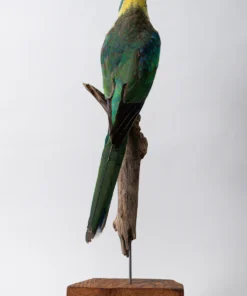
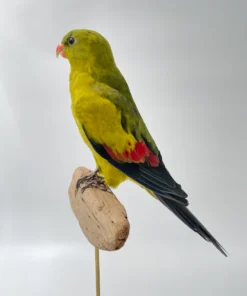
Buln Buln Parrot

$300.00

Taxidermy Birds For Sale

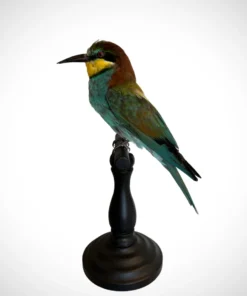
Bee Eater

$500.00

Taxidermy Birds For Sale

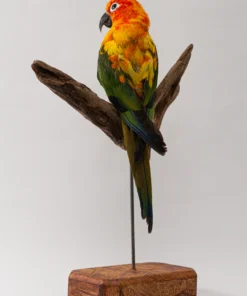
Sun Conure

$350.00

Taxidermy Birds For Sale

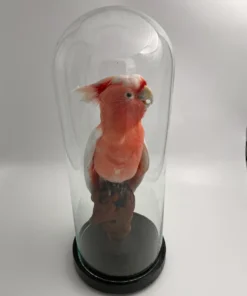
Pink Cockatoo in Antique Glass Dome

$800.00

Taxidermy Birds For Sale

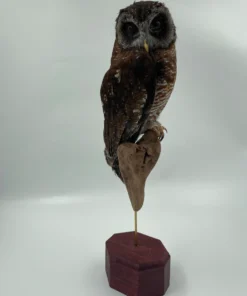
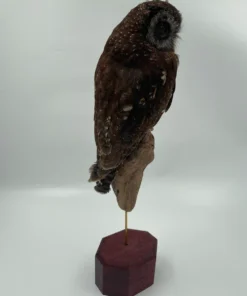
Wood Owl

$800.00

Taxidermy Birds For Sale

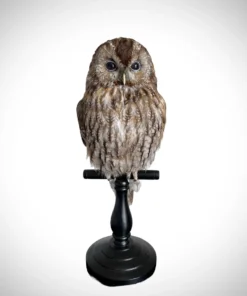
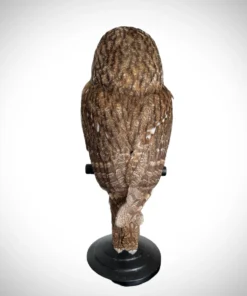
Tawny Owl

$1,750.00

Taxidermy Birds For Sale

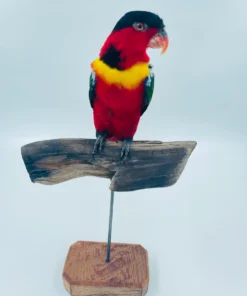
Yellow Bibbed Lory

$325.00

Taxidermy Birds For Sale

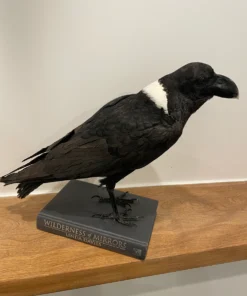
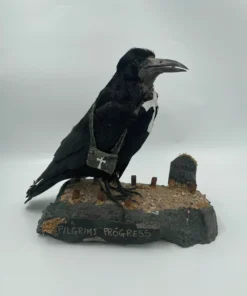
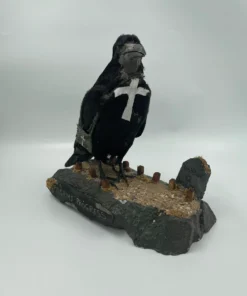
Pied Raven

$500.00

Taxidermy Birds For Sale

Rock Pebbler

$285.00

Taxidermy Birds For Sale

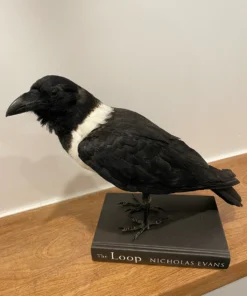
Pied Crow Mount

$400.00

Taxidermy Birds For Sale

Rook

$350.00

Taxidermy Birds For Sale

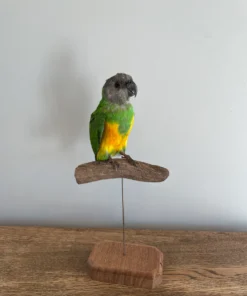
Senegal Parrot

$225.00

Best Selling Products

Bird Taxidermy For Sale

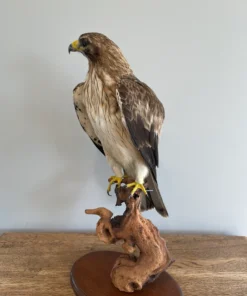
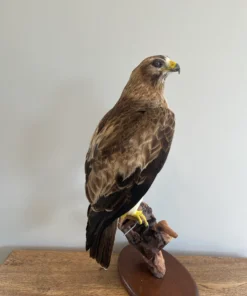
Booted Taxidermy Eagle

$1,050.00

Animal Skulls For Sale

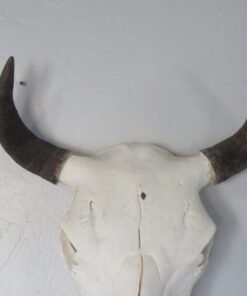
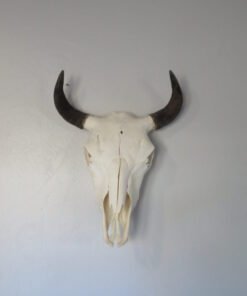
Bison Skull Taxidermy. O-121BI

$485.00

Taxidermy For Sale

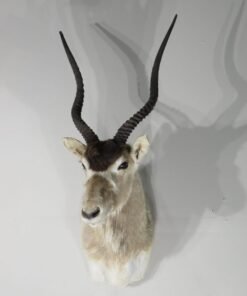
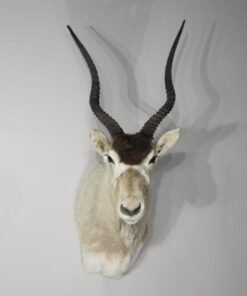
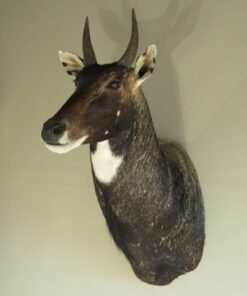
Addax Shoulder Mount. X-140AD

$2,450.00

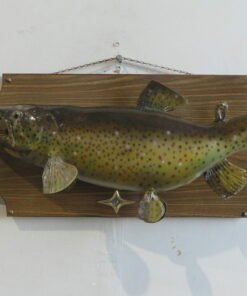
Fish Taxidermy For Sale

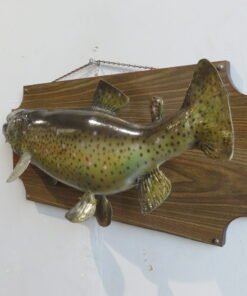
Brown Trout on plaque. F-117TR

$315.00

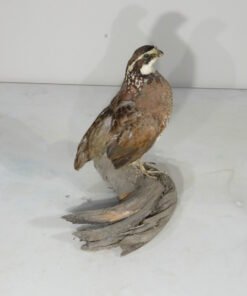
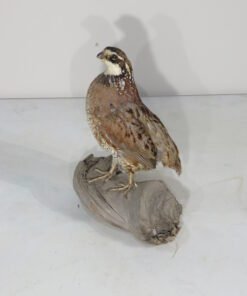
Bird Taxidermy For Sale

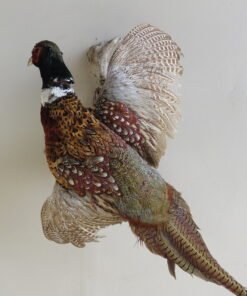
Bob White Quail Taxidermy. T-120BW

$200.00

Browse our categories
Latest News

Taxidermy Animals For Sale | Cheap Taxidermy For Sale

Taxidermy Animals For Sale are specimens that have been preserved and mounted for display, study, or artistic purposes, combining scientific knowledge with skilled craftsmanship. Whether they are realistic representations of wildlife or stylized works of art, these pieces can be found in museums, private collections, and cultural traditions.

What Is Taxidermy? | Taxidermy Animals For Sale | Taxidermy For Sale

  • Definition: Taxidermy involves the art of preserving an animal’s body by mounting or stuffing it, typically over a framework, to create a display.
  • Etymology: Originating from Ancient Greek, the term combines taxis (arrangement) and derma (skin), translating to “arrangement of skin.”
  • Scope: Although it is most frequently used with mammals and birds, taxidermy can also be utilized for fish, reptiles, and even large insects.

Historical Background | Cheap Taxidermy For Sale | Cheap Taxidermy Animals For Sale

  • Ancient Roots: Hunter-gatherer societies and Ancient Egypt practiced early forms of animal preservation, including mummification.
  • Middle Ages: Taxidermy was associated with the traditions of falconry and hunting.
  • Victorian Era: It thrived as museums displayed mounted specimens to inform the public about natural history.
  • Modern Advances: In the 20th century, taxidermists started using sculpted forms within the skins to create more lifelike mounts.

Purposes of Taxidermy Animals | Taxidermy Animals For Sale

  • Scientific Study: Museums employ taxidermy to maintain rare or extinct species for research and educational purposes.
  • Artistic Presentation: Creatives and collectors frequently showcase animals in imaginative poses or within dioramas.
  • Cultural Importance: Taxidermy, which has historical connections to hunting trophies, also embodies humanity’s interest in nature.
  • Conservation Awareness: Ethical taxidermy today frequently focuses on sustainability, utilizing legally sourced specimens to showcase biodiversity.

Techniques & Materials 

  • Skin Preparation: Skins are meticulously tanned or preserved to avoid decay.
  • Armature Construction: A sculpted figure or mannequin serves as the structure.
  • Detailing: Glass eyes, synthetic tongues, and painted characteristics boost realism.
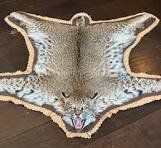
  • Mounting Styles: Ranging from full-body mounts to skulls, antlers, rugs, or study skins, each serves various display purposes.

Contemporary Perspectives

  • Museums & Education: Organizations such as the Smithsonian or Natural History Museum employ taxidermy to convey ecological narratives.
  • Ethical Considerations: Contemporary practitioners emphasize responsible sourcing, steering clear of endangered species, and fostering conservation.
  • Artistic Innovation: Certain artists challenge limits by merging taxidermy with surrealism or conceptual art.

How Long Do Taxidermy Animals Last?

The duration of pet taxidermy effectiveness relies on several key factors, such as the preservation technique employed, environmental conditions, and your continued maintenance efforts. When given suitable care, preserved pets can keep their lifelike appearance for 50 years or more.

Essentially, taxidermy animals serve as more than just preserved skins; they represent cultural artifacts, scientific tools, and forms of artistic expression. They represent the wish of humankind to comprehend, respect, and creatively interact with nature.
Should I concentrate on creative display concepts (such as dioramas, hybrid art, or museum-style arrangements) or on technical processes (like tanning, mounting, and detailing) next?